CCTV Drain Surveys London Done Properly

A drain problem rarely stays small for long. When toilets back up, gullies overflow or a bad smell keeps coming back, cctv drain surveys London property owners rely on are often the quickest way to find the cause without guesswork.

At this stage, most people do not want theories. They want a proper answer, a clear plan and somebody who knows the local drainage networks well enough to spot what is really going on. That is exactly where a survey earns its keep.

What a CCTV drain survey actually tells you

A CCTV drain survey is a camera inspection carried out inside the pipework. It shows the internal condition of the drain or sewer, pinpoints the location of defects and helps identify whether the issue is a simple blockage, a structural failure or a longer-term maintenance problem.

This matters because many drainage faults look the same from above ground. Slow sinks, repeated blockages and foul odours can all point to very different causes. One property may have a build-up of fat and scale. Another may have root ingress, a cracked junction or a displaced section of pipe. Without seeing inside the line, any recommendation is partly guesswork.

A proper survey removes that uncertainty. It gives you evidence, not assumptions.

When CCTV drain surveys in London are the right choice

Not every blocked drain needs a full camera inspection. If a straightforward blockage clears cleanly and there is no sign of ongoing trouble, a survey may not be necessary. But there are plenty of situations where it is the sensible next step.

If the same drain keeps blocking, the problem usually sits deeper than surface debris. If a property has been extended or altered over the years, layouts are not always obvious and old plans are often missing or inaccurate. If there is damp around external walls, sinking ground, overflowing inspection chambers or concern before a property purchase, a survey gives clarity quickly.

For landlords and managing agents, it can also help avoid repeated callouts for the same issue. For commercial premises, where downtime costs money, finding the fault accurately the first time matters.

Common faults found during a survey

In London and the surrounding TW, KT and SW areas, drainage systems can vary widely. Some properties have older clay pipework, some have later plastic systems, and many have a mix of old and new sections connected over time. That creates a few common patterns.

Root ingress is one of them. Tree roots do not need a large opening to get into a drain. Once they find a joint or a crack, they expand and trap waste, which leads to recurring blockages. Cracks and fractures are also common in ageing systems, especially where ground movement has affected the line.

Another regular issue is displaced joints. These can catch paper and solids, slowing flow and causing backups. In some cases, the survey reveals scale, silt or fat deposits that narrow the pipe but do not yet fully block it. That is useful to know because cleaning and maintenance may solve the problem before a more serious failure develops.

Occasionally, the fault turns out to be poor installation work from the past. Wrong falls, awkward connections or patch repairs carried out badly can all show up on camera. It is better to find that out clearly than keep paying for temporary fixes.

Why location knowledge matters in London

CCTV drain surveys London residents book are not just about having the camera equipment. They are about understanding the sort of drainage setups found across different streets and property types.

A Victorian terrace in Richmond, a semi in Teddington, a rental property in Kingston and a small business unit in Twickenham can all present different drainage challenges. Older private drains may connect into systems that have been altered several times. Access points can be hidden, shared runs are not unusual, and previous repairs are not always documented.

That local experience saves time. It helps when tracing the route of a line, identifying whether a problem sits within private drainage or a shared section, and deciding what repair method is realistic. A survey is only as useful as the judgement behind it.

What happens during the survey

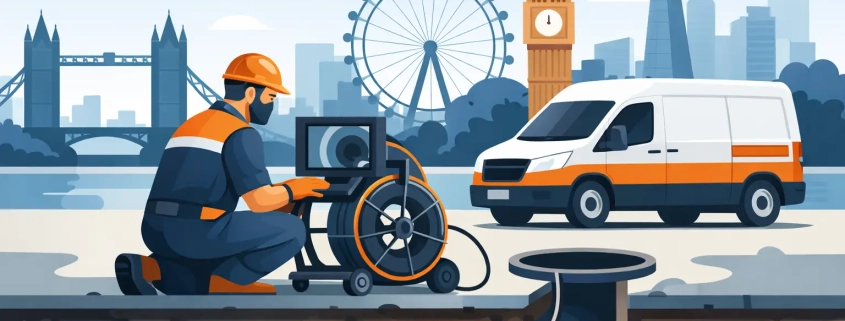
The process is straightforward when handled properly. Access is gained through the most suitable chamber or point in the system, and a specialist camera is fed through the drain. As it travels along the line, the operator checks the condition of the pipe, the joints, the flow and any signs of obstruction or damage.

If there is a blockage still present, the drain may need clearing first so the camera can pass and produce a meaningful inspection. There is no point forcing a survey through a line that cannot be seen clearly. Good drainage work is about doing things in the right order.

Where needed, the position and depth of the fault can be traced from above ground. That becomes particularly important if repairs are required. The aim is not simply to show that a problem exists, but to identify where it is and what should be done next.

Survey results should lead to action, not confusion

The real value of a survey is what happens after it. Customers should come away knowing whether the drain is sound, whether it needs cleaning, whether a no-dig repair is possible or whether excavation is unavoidable.

There is no benefit in overcomplicating the findings. Most clients want a plain answer. Is the pipe cracked? Are roots getting in? Is there a collapsed section? Can it be relined, or does it need replacing?

That practical approach matters. Some defects are urgent and some are not. A minor joint issue in an otherwise functioning line may be monitored. A collapse or serious ingress affecting use of the property needs prompt repair. It depends on the severity, the location and whether the drain is still serviceable.

Pre-purchase and landlord drainage surveys

Not all surveys are emergency-led. Buyers often arrange CCTV drain surveys before committing to a property, particularly where there are signs of historic drainage trouble or where the building is older and the condition of underground services is unclear.

This can be money well spent. Surface appearances tell you very little about what is happening below ground. A pre-purchase survey may reveal defects that affect negotiations or at least help you plan for future work.

For landlords, surveys are also useful between tenancies or when dealing with repeated reports from occupants. If the same line has caused trouble more than once, a proper inspection gives you a basis for repair rather than another temporary clearance.

Repair options after a CCTV drain survey

One reason surveys are so useful is that they help avoid the wrong repair. If the fault is local and the surrounding pipe is in reasonable condition, no-dig relining may be the best option. That can restore the line internally without the disruption of digging up drives, paths or landscaped areas.

If the damage is more extensive, excavation and replacement may be necessary. That is not always what customers want to hear, but honest advice is better than a short-term patch that fails again. In other cases, a thorough clean and planned maintenance programme may be all that is needed.

The right answer depends on what the camera shows. That is why a survey should never be treated as a box-ticking exercise. It is the basis for making the right call.

Choosing the right company for CCTV drain surveys London

If you need a survey, choose a drainage specialist, not a general tradesman trying to cover too many things. Drainage is its own field. Experience counts, particularly when the issue is urgent, recurring or tied to older London pipework.

You also want a company that can move from diagnosis to repair without delay. Finding the fault is only half the job. If the survey identifies a damaged line, root ingress or a need for relining, the next step should be clear and practical.

At MG Willmott Drainage, that is how we approach it. Straight answers, proper investigation and the experience to deal with what the camera finds.

If you are facing repeat blockages, bad smells, unexplained drainage trouble or you simply want reassurance before a purchase, a camera survey can save time, money and a lot of avoidable disruption. The main thing is to deal with it before a hidden fault turns into a much bigger job.
Emergency Drainage Near Me in South West London

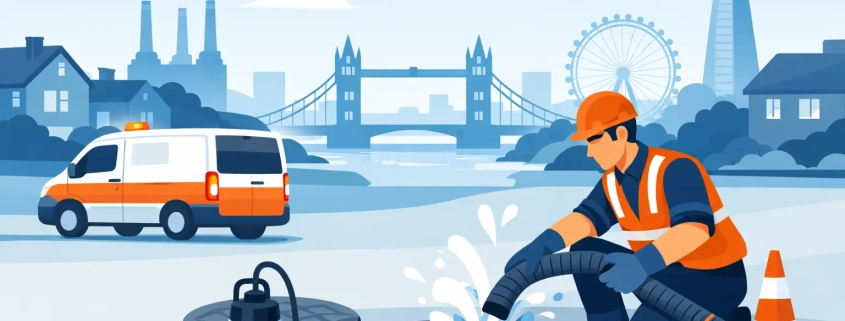
A blocked outside drain at 7am, a toilet backing up before tenants arrive, foul smells rising from a gully after heavy rain – when you search for emergency drainage near me, you do not want general plumbing advice. You want a drainage specialist who can attend quickly, identify the fault properly and get the system working again without wasting time.

That is the difference between a true drainage contractor and a general tradesperson. Drainage faults are rarely tidy, and they are not always obvious from the surface. What looks like a simple blockage can turn out to be a collapsed line, root ingress, a failed soakaway or a sewer issue affecting more than one property. In an emergency, speed matters, but so does getting the diagnosis right first time.

What emergency drainage near me should really mean

For customers across Hampton, Kingston, Richmond, Twickenham, Teddington, Staines, Barnes, Sheen and surrounding areas, a local emergency drainage service should mean more than someone answering the phone. It should mean rapid attendance, proper drainage equipment, local knowledge and the experience to deal with urgent problems under pressure.

If a contractor has to “work it out as they go”, that usually costs you time. A drainage specialist should arrive ready to clear blockages, inspect pipework, trace faults and advise on the next step there and then. In many cases, the immediate emergency is only part of the job. The real value is in finding out why the problem happened and stopping it from returning.

That is particularly important in older parts of South West London, where drainage layouts can be inconsistent, shared runs are common and previous alterations are not always well documented. Local experience helps. Knowing the common issues in TW, KT and SW postcodes often shortens the route to a proper fix.

The signs you need urgent drainage help

Some drainage issues can wait a day or two. Others should not. If wastewater is backing up into sinks, toilets, baths or showers, that is an urgent call. If an external chamber is surcharging, if foul odours are spreading through the property, or if a commercial premises cannot use its facilities safely, the problem needs immediate attention.

Landlords and property managers often face a different kind of urgency. Even a partial blockage can quickly turn into a tenant complaint, a hygiene problem or damage to the building if left unresolved. For shops, cafés, offices and other small businesses, drainage disruption means inconvenience at best and lost trading time at worst.

Heavy rain can expose a separate set of faults. Surface water that does not clear, overflowing gullies and persistent standing water may point to blocked drains, damaged lines or soakaway failure. These are not jobs for guesswork. A quick response matters, but the right equipment matters just as much.

Why drainage emergencies are often misdiagnosed

A lot of people understandably assume all drain problems are just blockages. Sometimes they are. Grease build-up, wipes, scale, silt and debris are common enough. But a blockage is often a symptom rather than the root cause.

A cracked pipe can catch waste repeatedly. Tree roots can enter a joint and create recurring restrictions. A line with poor fall can never clear properly. Older pipework may have shifted, and patched repairs from years ago can fail without warning. If you only clear the immediate obstruction and leave the defect in place, the same callout can happen again.

This is where CCTV drainage surveys earn their keep. In a genuine emergency, clearing the line comes first where possible. But when the same issue keeps returning, or when there are signs of structural damage, a camera survey gives a clear picture of what is actually happening underground. That allows the repair to match the problem.

What to expect from a proper emergency drainage response

A professional emergency service should be straightforward. You call, describe the issue, and the contractor assesses the urgency and attends with the tools needed for drainage work – not a van set up for unrelated plumbing jobs.

On site, the first priority is making the situation safe and restoring flow if possible. That may involve high-pressure water jetting, mechanical clearance, chamber checks or tracing the affected section of the system. If the problem is more serious, such as a collapsed drain or failed sewer run, you should get a clear explanation of the fault and the practical repair options.

There is always a balance in emergency work. Sometimes the fastest temporary solution is sensible to get a property functioning again. At other times, temporary work is false economy and it is better to go straight to a proper repair. An experienced drainage specialist will tell you which is which without dressing it up.

Emergency drainage near me for homes, landlords and businesses

The right response depends on the property and the consequences of delay. In a home, the priority is usually restoring essential drainage quickly and preventing internal damage. In a rented property, speed, communication and documentation matter because there are occupants to consider and responsibilities to meet.

For commercial premises, downtime becomes part of the drainage problem. Staff facilities, customer toilets, kitchen waste lines and external drainage all affect daily operation. A blocked drain behind a café or retail unit is not only unpleasant. It can interrupt service and create avoidable risk if not dealt with promptly.

That is why many local customers do not search for the cheapest option. They search for the nearest dependable one. When the problem is urgent, the real question is not who can attend at some point. It is who can attend, diagnose and resolve the issue properly.

Local drainage knowledge matters in South West London

Drainage is not the same from one area to the next. Older housing stock, mixed private and shared drainage, rear access limitations and long-established alterations all affect how quickly a fault can be traced and fixed. In places such as Richmond, Kingston, Twickenham and Teddington, one street can present a very different drainage setup from the next.

That is why local knowledge has practical value. A contractor familiar with the area is more likely to recognise recurring infrastructure issues, access challenges and common pipe layouts. It saves time, and in emergency work, saved time often means less damage, less disruption and a faster return to normal use.

MG Willmott Drainage has built its reputation on exactly that kind of local, specialist response across South West London and the surrounding commuter belt. The work is focused on drainage, not general plumbing, which is what customers need when the system has failed and they want it sorted quickly.

When a repair is needed, not just a clearance

Not every emergency ends with a simple unblock. If the pipe has cracked, deformed or collapsed, the drainage system may need repair once the immediate issue is under control. That can sound disruptive, but modern drainage work is often less invasive than people expect.

No-dig relining can resolve certain defects without excavation. In other cases, a targeted repair or partial replacement is the sensible option. If a soakaway has failed, or a sewage pump is not operating correctly, the remedy will be different again. The key is not forcing every problem into the same solution.

A trustworthy drainage specialist will be clear about trade-offs. Relining is effective in many situations, but not all. Excavation is sometimes unavoidable, but only when there is no better route. What matters is choosing the repair that deals with the fault properly, not the one that sounds easiest on the phone.

Choosing the right emergency drainage company near you

In a rush, it is easy to pick the first company that appears in search results. A better test is whether they sound like drainage specialists, whether they cover your area properly, and whether they can explain what happens next in plain English.

Look for a business that deals directly with blocked drains, sewer clearance, CCTV surveys, repairs and investigations as part of its core work. That tells you drainage is not a sideline. Experience matters too, especially in built-up London areas where access, older pipework and shared systems can complicate what first appears to be a simple blockage.

A clear guarantee also matters. When a company is prepared to stand behind its work with a satisfaction or money-back promise, that says something about confidence and accountability. In emergency situations, reassurance is not about sales language. It is about knowing the person attending is there to solve the problem, not prolong it.

If you are searching for emergency drainage near me, the best choice is usually the local specialist who can respond quickly, speak plainly and deal with the issue from first blockage to final repair if needed. When drains fail, you do not need drama. You need someone who knows the area, knows the system and gets it working again.

Emergency Drain Jetting for Fast Blockage Removal

A drain backing up at night, foul water rising in a gully, or a toilet that will not flush properly is not a job to leave until morning. Emergency drain jetting is often the quickest and most effective way to restore flow when a blockage has gone beyond a simple clearance and needs proper pressure cleaning through the line.

For homeowners, landlords and local businesses, the main concern is simple – stop the overflow, find the cause and get the drain working again without delay. That is exactly where specialist drainage equipment and local experience matter. A proper drainage contractor is not turning up to guess. They are turning up to clear the line safely, check the run and make sure the problem is not left half-done.

What emergency drain jetting actually does

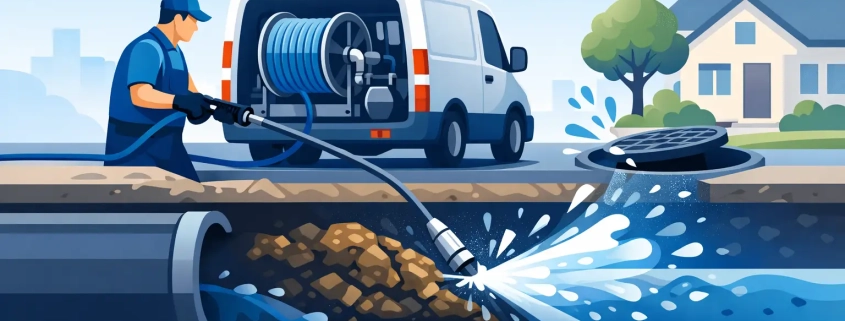
Emergency drain jetting uses high-pressure water to break up and flush out stubborn blockages inside drains and sewers. It is particularly effective when the line is blocked by grease, silt, wipes, scale, organic waste or compacted debris that ordinary rodding will not fully shift.

The benefit is not just that the blockage breaks apart. Jetting also cleans the internal surface of the pipe far more thoroughly than basic manual methods. That matters because many emergency callouts are not caused by one single solid object. They are caused by a build-up that has narrowed the line over time until wastewater can no longer pass through properly.

In the right situation, jetting gives a faster and cleaner result. It can restore flow quickly and reduce the chance of the same section blocking again a few days later. That said, it is not a cure for every drainage fault. If the pipe has collapsed, displaced, or suffered root ingress, the blockage may be a symptom rather than the full problem.

When emergency drain jetting is the right call

Not every blocked drain needs high-pressure jetting, but some situations clearly do. If wastewater is backing up into sinks, toilets, gullies or external chambers, speed matters. The longer it is left, the more chance there is of property damage, contamination and disruption.

Jetting is commonly the right approach when there is a recurring blockage in the same line, when several outlets are affected at once, or when the drainage system is slow before it fails completely. It is also a strong option for outside drains carrying heavy grease, food waste, leaf build-up or silt, especially around commercial premises and tenanted properties where the system sees regular use.

In South West London and the surrounding commuter belt, older drainage runs can present their own issues. Some properties have ageing clay pipework, awkward access points, shared drainage arrangements or long lateral runs that need more than a quick poke with rods. In those cases, emergency jetting is often the practical answer because it can reach further into the system and clear more thoroughly.

Why jetting is often better than a quick unblock

A quick unblock sounds appealing when you are dealing with an overflow or foul smell. Sometimes rods will restore flow well enough to get things moving again. The problem is that partial clearance often leaves residue behind, and that residue becomes the base for the next blockage.

High-pressure jetting is different because it deals with the build-up along the pipe wall, not just the immediate obstruction. That is especially useful with fat, scale, soap deposits and soft waste that smears and reforms after a basic clearance.

There is a balance to be struck. A good drainage specialist will not automatically use the most aggressive option if the system does not need it. Pipe condition, material, age and access all matter. The aim is to clear the blockage properly without causing damage. That is why experienced assessment on site is so important.

What to expect on an emergency visit

When a drainage specialist attends an emergency, the first job is to identify where the blockage is and how severe it is. That may involve checking inspection chambers, testing flow between points and assessing whether the issue is isolated to one section or affecting the wider run.

If emergency drain jetting is the right method, the line is cleared using the appropriate water pressure and nozzle for the type of obstruction. Different nozzles are used for different jobs. Some are designed to cut through grease and soft debris, while others are better for flushing silt and loose material along the line.

Once flow is restored, the next step depends on what is found. If the blockage appears to be caused by a one-off build-up, the visit may end there. If there are signs of a structural problem, poor fall, recurring root entry or damaged pipework, a CCTV drain survey may be the sensible next move. A proper contractor should tell you plainly which situation you are dealing with.

Emergency drain jetting and CCTV surveys

Jetting and CCTV often work well together, especially when a blockage has been cleared but the underlying reason is still unclear. You cannot always diagnose a drain properly when the line is full of backed-up water and waste. Once the pipe has been jetted and flow returns, a camera inspection can show whether there is a crack, displaced joint, root ingress or another fault further down the run.

This matters for landlords and property managers in particular. If a blockage keeps returning between tenancies or repeatedly affects the same flat, shop or rear drainage line, there is little value in paying for repeated callouts without getting to the root of it. In those cases, jetting restores service, while CCTV helps plan the proper fix.

Local drainage knowledge makes a difference

Drainage emergencies are not just about equipment. They are also about knowing the sort of systems found across Kingston, Richmond, Twickenham, Teddington, Staines, Barnes, Sheen and the surrounding areas. Older properties, extensions, converted buildings and shared runs can all complicate what looks like a basic blockage.

A local drainage specialist is more likely to recognise the typical issues seen in the area and respond accordingly. That can save time when tracing the affected line, identifying whether the problem sits within a private drain or shared sewer, and deciding whether jetting alone is likely to solve it.

MG Willmott Drainage works specifically on these kinds of drainage problems, which is why the service is built around urgent attendance, specialist equipment and practical diagnosis rather than general plumbing guesswork.

Cases where jetting may not be enough

It is worth being clear about the limits. Emergency jetting is highly effective for clearance, but it will not repair broken pipework. If the drain has collapsed, if the line has a severe belly holding waste, or if roots have entered through damaged joints, the water pressure may only provide temporary relief.

That does not mean the jetting has failed. It means the blockage was a symptom of a larger drainage defect. In those cases, the sensible route may be no-dig relining, localised repair, excavation, or further investigation depending on the condition of the system.

A reliable contractor should say so directly. There is no point promising a full solution if the evidence on site says a repair is needed. Honest advice is part of a proper emergency service.

Why speed matters with blocked drains and sewers

The biggest risk with a serious blockage is not inconvenience alone. Backed-up drainage can damage flooring, contaminate outdoor areas, create strong odours and affect neighbouring parts of the system. For commercial premises, it can interrupt trading. For landlords, it can turn into a tenancy complaint very quickly.

That is why emergency response matters so much. If the line is cleared quickly, you limit disruption and reduce the chance of waste escaping where it should not. Fast attendance also means faults can be identified before they worsen. A drain that is merely slow today can become a full overflow tomorrow.

Choosing the right contractor for emergency drain jetting

When you need urgent drainage work, what matters is specialist focus, not a broad list of unrelated services. You want someone who deals with blocked drains, sewers, surveys and repairs every day, turns up equipped for the job and can explain clearly what has been found.

Look for proven drainage experience, genuine local coverage, emergency availability and a contractor who can handle the next step if the problem turns out to be more than a blockage. Clearance, investigation and repair often sit closely together. The smoother that process is, the faster the issue gets resolved.

If you are facing an urgent blockage, the best next step is simple – get the drain assessed promptly, get the line cleared properly and deal with the cause before it becomes a repeat problem.

Emergency Drain Unblocking Cost Explained

A blocked drain at 10am is one thing. A blocked drain overflowing at night, affecting a tenant, kitchen or shop floor, is another. That is why emergency drain unblocking cost is never just about a basic callout fee. It is about how quickly the problem is contained, how straightforward the blockage is to reach, and whether the engineer arriving has the right kit to sort it there and then.

For most people, the real question is not simply, “What does emergency drain unblocking cost?” It is, “What am I actually paying for, and how do I avoid paying twice?” In urgent drainage work, the cheapest figure on the phone is not always the lowest final bill if the contractor turns up without proper equipment, clears only part of the issue, or misses a deeper fault in the line.

What affects emergency drain unblocking cost?

The price usually comes down to five things – time, access, severity, equipment and what is found once work starts.

Time matters because emergency attendance outside normal hours often carries a higher rate. A weekday daytime blockage is usually simpler to price than a late-night callout, a weekend visit or a bank holiday job. That is standard across emergency trade work, and drainage is no different.

Access is another major factor. A blocked gully at the front of a house with clear access is generally quicker to deal with than a shared rear drain behind an extension, or a manhole buried under decking, stored items or heavy covers. The easier the drain is to inspect and work on, the more controlled the cost tends to be.

Severity also changes the job. Some emergency blockages are routine and clear quickly with high-pressure jetting or mechanical equipment. Others involve compacted wipes, scale build-up, root ingress or a partial collapse. The problem may start as a blockage but turn out to be a repair issue.

Equipment matters because proper drainage specialists arrive prepared for drainage work, not general plumbing. If CCTV inspection, jetting or specialist cutting heads are needed, that affects both the method and the price. In many cases, using the right equipment early can save money because it avoids repeat visits and guesswork.

Then there is the condition of the drain itself. A simple obstruction is one thing. A damaged pipe, displaced joint or recurring defect is another. Good engineers will tell you the difference clearly.

Typical emergency drain unblocking cost ranges

There is no single flat rate that covers every emergency, but most customers want a realistic expectation before they call. In South West London and surrounding areas, a straightforward emergency drain unblocking job often starts from a callout and first-hour rate, with additional cost if the blockage is more complex, access is poor, or extra investigation is needed.

In practical terms, a relatively simple domestic blockage attended during normal working hours may cost noticeably less than an out-of-hours sewer blockage requiring jetting and CCTV checks. A shared drainage issue at a rental property or commercial premises can also cost more if the work affects multiple lines, causes backing up inside the building, or needs urgent follow-on repair planning.

That is why honest pricing matters more than headline pricing. A sensible quote should reflect the likely work involved, not just get someone through the door. If the price sounds unusually low, ask what is actually included. Does it cover emergency attendance, labour, jetting, CCTV if needed, and confirmation that the line is flowing properly before the engineer leaves?

Why emergency pricing is higher than standard drain clearance

Emergency work costs more because it puts pressure on response times, staffing and scheduling. If an engineer has to leave planned work to attend a foul water backup or overflowing chamber, that has to be reflected somewhere.

There is also more risk in emergency situations. When wastewater is coming back into a property, the priority is to restore safe use quickly and reduce damage. That means carrying the right equipment, diagnosing fast and working decisively. You are paying for availability, specialist knowledge and the ability to solve the problem under pressure.

For landlords and local businesses, speed often saves more than the callout costs. Delayed attendance can mean property damage, unhappy tenants, lost trading time or escalating clean-up bills. In that context, the emergency drain unblocking cost is only one part of the wider cost of the incident.

When a low quote can end up costing more

Drainage is one of those trades where a quick promise can hide a poor job. If someone quotes a very low figure without asking where the blockage is, whether there is flooding, what type of property is involved, or whether the issue is internal or external, they may be pricing blind.

That can lead to extra charges later for basic steps that should have been discussed upfront. It can also lead to incomplete work. A drain might appear to run again after a partial clearance, only to block up a day later because the underlying build-up was not fully removed.

This is where specialist drainage experience counts. An engineer who deals with drains every day will usually have a better idea of the likely cause, the likely method and whether the job may need further investigation. That gives you a clearer expectation of cost from the start.

Emergency drain unblocking cost and CCTV surveys

Customers sometimes worry that recommending a CCTV survey is just a way to increase the bill. Sometimes it is unnecessary. Sometimes it is exactly what prevents repeat problems.

If a blockage clears fully and there is no history of recurrence, a survey may not be needed. But if the line has blocked more than once, if there are signs of root ingress, if the drain is slow even after clearance, or if there is concern about damage, a CCTV inspection can be the sensible next step.

In those cases, the extra cost can save money. It is cheaper to identify a cracked section, poor fall, displaced joint or collapsed pipe properly than to keep paying for repeated emergency attendance. For landlords and property managers, it also provides a clearer record of condition and responsibility.

Domestic and commercial jobs are priced differently

A householder with one blocked outside drain and clear access is not dealing with the same level of complexity as a restaurant, office unit or block-managed property. Commercial sites often involve heavier usage, grease build-up, larger pipe runs, shared systems and tighter time pressure.

That is why emergency drainage pricing for businesses can be higher. The work may need to be carried out faster, more carefully around operations, or outside trading hours. If there is any risk to customers, staff or public areas, the response has to be managed accordingly.

For landlords, there is a similar pressure. A blocked drain in a tenanted property can quickly become a dispute if response is delayed. Paying for prompt specialist attendance is often the sensible option.

How to get a fair price without wasting time

When you call, give a clear description of what is happening. Say whether the blockage is internal or external, whether toilets or sinks are backing up, whether there is flooding, and whether it affects one fixture or the whole property. Mention if this has happened before.

That helps the drainage company judge urgency, likely cause and likely equipment needed. It also gives you a better chance of getting realistic pricing from the outset rather than a vague estimate.

If you are comparing firms, ask simple questions. Are they drainage specialists or general plumbers? Is emergency attendance included in the quoted figure? What happens if the blockage turns out to be a damaged drain rather than a straightforward obstruction? Clear answers usually tell you a lot.

A family-run specialist such as MG Willmott Drainage tends to approach this in a straightforward way – assess the job properly, attend quickly, and focus on getting the drain working again without dressing the issue up.

What you are really paying for

When drainage fails in an emergency, the value is not in hearing a low number. The value is in getting the right person on site quickly, with the right equipment, and having confidence the problem will be dealt with properly.

Emergency drain unblocking cost depends on the job in front of the engineer. That is the honest answer. But it should still be clear, sensible and tied to real work, not guesswork or hidden extras. If the drain is backing up, overflowing or stopping normal use of the property, the best decision is usually the one that gets it resolved properly first time. A fast, capable response often costs less than a cheap start followed by delays, return visits and a bigger mess to put right.

Emergency Drain Clearance Near Me Fast

When wastewater starts backing up into a sink, gully or toilet, you are not looking for general advice. You are looking for emergency drain clearance near me, and you need somebody who can get there quickly, find the cause properly and sort it without wasting time. That is exactly where a specialist drainage company matters.

A blocked drain rarely stays a small problem for long. Water can rise, foul smells spread through the property, and if the issue affects shared drainage or a sewer line, disruption can move beyond one room very quickly. For homeowners, landlords and businesses across South West London, the main question is simple – can someone attend fast and fix it properly first time?

What counts as an emergency drain problem?

Some drainage issues can wait a day or two. Others cannot. If wastewater is coming back into the property, if a toilet will not flush and there is no alternative, if an outside drain is overflowing, or if a commercial premises cannot operate normally because of blocked waste lines, that is an emergency. The same applies when there is a strong sewage smell with no obvious cause, or when repeated blockages suggest a deeper fault in the system.

The difficulty is that symptoms do not always tell you how serious the problem is. A slow-draining sink might be localised waste pipe build-up, but it can also be a sign of a larger blockage further down the line. An overflowing manhole could be caused by grease, wipes, scale, root ingress or a collapsed section of drain. Until the system is checked properly, guessing can cost time.

Why local emergency drain clearance near me matters

In drainage, local knowledge is not just a nice extra. It helps with response times, property types and understanding how drains in the area are typically laid out. Homes in Hampton, Kingston, Richmond, Twickenham, Staines, Teddington, Barnes and Sheen can all present different drainage setups, especially where older pipework, extensions, converted properties or shared lines are involved.

A local specialist is more likely to know the common issues in the area and arrive with the right equipment for the job. That means less delay, fewer assumptions and a better chance of resolving the fault on the first visit. If the problem turns out to be more than a simple blockage, a drainage company focused on drains rather than general plumbing can move straight into survey, investigation or repair work without sending you elsewhere.

That is the real difference between an emergency response that clears the symptom and one that solves the issue.

What a proper emergency drainage visit should include

Speed matters, but so does method. The right approach is not turning up and trying one tool in the hope it works. A proper drainage visit starts by identifying where the blockage is, how severe it is and whether there is any underlying damage.

In many cases, high-pressure water jetting is the best way to clear a blocked drain quickly and thoroughly. It removes grease, debris, wipes, silt and scale far more effectively than basic rodding on its own. Where the cause is less obvious, CCTV drain surveys can pinpoint defects such as cracks, displaced joints, root intrusion or collapsed pipe sections.

If there is a structural issue, the next step depends on the condition of the drain. Sometimes a no-dig repair through relining is the most sensible option because it restores the pipe internally with less disruption. In other cases, excavation or further repair work is necessary. A good drainage contractor will tell you plainly which situation you are dealing with and what can be done straight away.

The signs you should call sooner, not later

Many customers wait because they hope the problem will settle down on its own. Sometimes it appears to, but recurring drainage faults usually return worse. If you notice repeated slow drainage, gurgling from plugholes, bad smells outside or inside, overflowing inspection chambers, standing water near gullies or toilets behaving unpredictably, it is worth getting the system checked before it becomes an urgent mess.

For landlords and property managers, delay can be even more expensive. One blocked stack or shared drain can affect multiple tenants. For cafés, shops, salons and other small businesses, even a short interruption can mean lost trading time and unhappy customers. Fast attendance is valuable, but avoiding repeat callouts is what really protects the property.

Not every blocked drain is a simple blockage

This is where experience matters. It is easy to assume every emergency drainage issue just needs unblocking. In reality, some do and some do not. Grease build-up, sanitary products and wipes can often be cleared quickly. A damaged pipe, root ingress, poor falls, fractured joints or a failing soakaway needs a different response.

That is why there is no sensible one-size-fits-all answer. The right drainage engineer will clear what can be cleared, investigate what needs investigating and explain the trade-off between a short-term fix and a proper repair. If a line keeps blocking, the cheapest visit is not always the cheapest outcome.

Choosing the right emergency drain specialist

If you are searching for emergency drain clearance near me, the safest choice is a specialist drainage company with local coverage, clear availability and a proven track record in drain work specifically. General plumbing firms can help with some internal waste issues, but drainage faults often need dedicated equipment and deeper knowledge of underground systems.

Look for straightforward signs of credibility – established experience, clear service areas, emergency callout capability, CCTV survey options and the ability to handle repairs as well as clearance. A strong guarantee also matters because it shows the company is prepared to stand behind the work.

A family-run business often brings something valuable here as well. You are more likely to get direct accountability, practical advice and a contractor who understands that trust is earned by turning up when promised and fixing the problem, not by talking around it.

Emergency drainage for homes, landlords and businesses

Different customers face different pressures, but the priority is the same – sort the issue quickly and keep disruption under control.

For homeowners, that usually means making the property usable again as fast as possible. For landlords, it means protecting tenants, avoiding property damage and showing that problems are being dealt with responsibly. For property managers, the focus is often on shared systems, access, reporting and getting the right diagnosis first time. For commercial premises, speed is critical, but so is making sure the same blockage does not stop operations again next week.

That is why a specialist service should cover more than just emergency unblocking. CCTV surveys, drainage investigations, sewer clearance, pump maintenance, soakaway work and no-dig repairs all have their place once the immediate issue is under control.

Fast response is only part of the job

Anyone can promise urgency. What matters is whether they can back it up with practical results. A proper emergency drainage service should be able to attend quickly, explain the issue clearly and work towards resolution within a realistic timescale. If there is a guarantee behind that work, even better.

MG Willmott Drainage has built its reputation in South West London on exactly that approach – fast local response, specialist drainage knowledge and a straightforward commitment to get problems resolved properly. When drains block, sewage backs up or a hidden fault needs locating, customers want a dependable expert, not a chain of subcontractors and guesswork.

If you need emergency drain clearance near me, act early. The sooner the blockage or fault is inspected, the better the chance of a fast, clean fix with less disruption to your home, tenants or business. When drainage goes wrong, the best next step is simple – call somebody local who knows drains, knows the area and gets on with the job.